






Core Pain Points
1. There are large quantities and types of goods, pallets, and turnover boxes in the warehouse area. Manual search for goods takes a long time, and mis-delivery, missing delivery, and misplacement occur frequently.
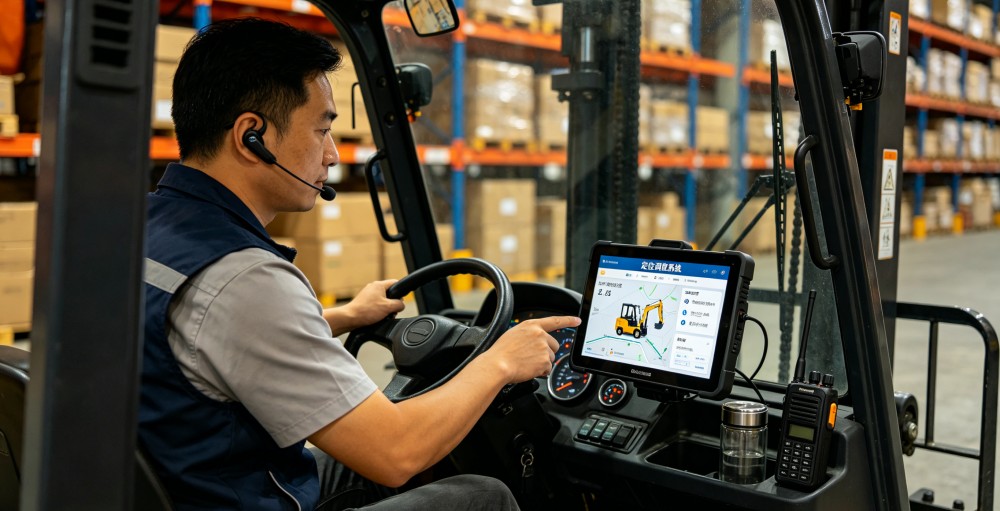
2. There is no track record of personnel and forklift operations, the operation path is opaque, the dispatching efficiency is low, and safety behaviors cannot be monitored.
3. Inventory counting relies on manual labor, data lags and errors are large, and real-time and visual management cannot be achieved.
4. Traditional positioning solutions have complex deployment, high cost, long construction period, and difficulty in connecting with WMS/MES systems.
Core of Customized Solutions
Technical Adaptation
It adopts Bluetooth 5.1 AOA angle of arrival positioning technology and achieves sub-meter-level precise positioning through multi-antenna arrays. It is equipped with an anti-multipath interference algorithm and a high-concurrency access algorithm. It is suitable for warehouses with wide aisles, high shelves, and dense personnel and equipment operating environments. It supports seamless integration with WMS, MES, ERP, and TMS to meet the needs of digital warehouse management.
Product Portfolio
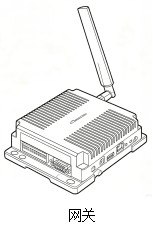
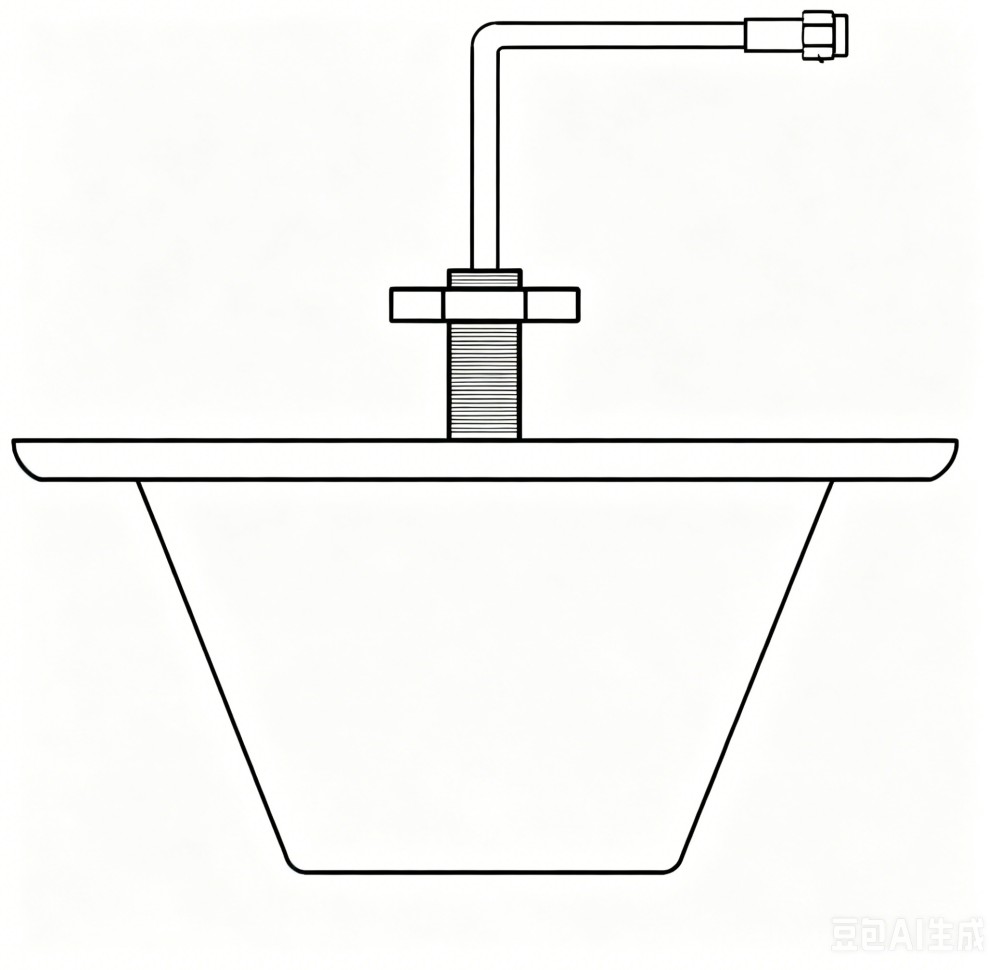
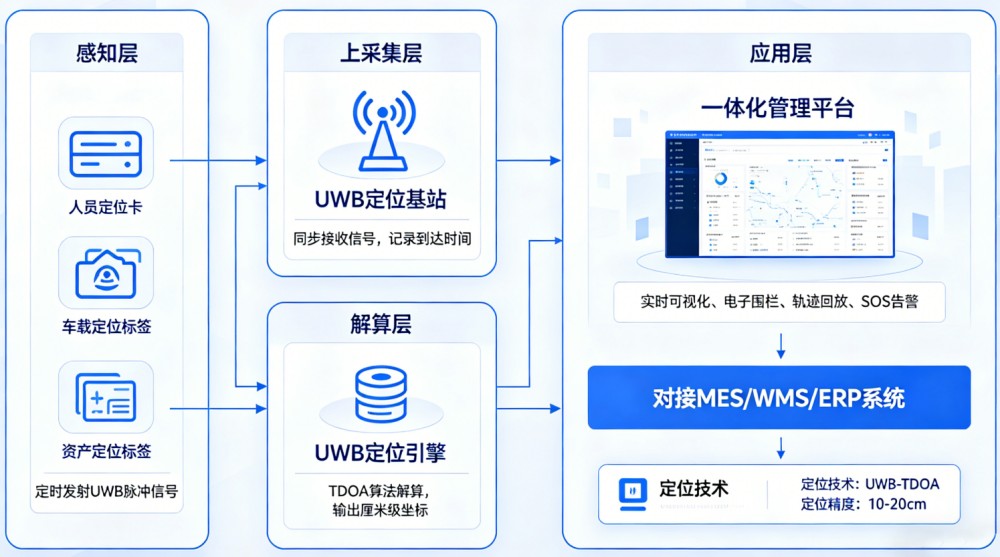
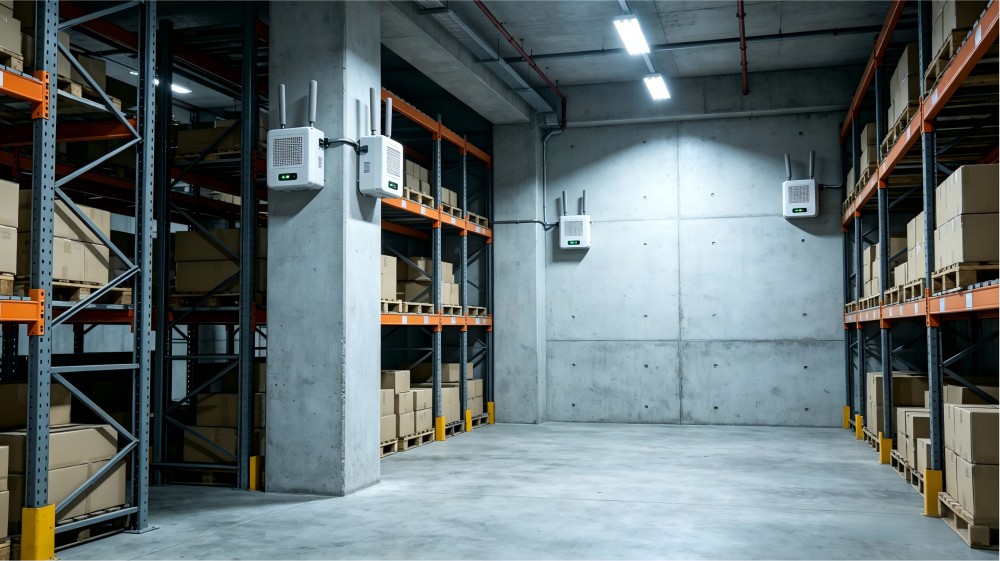
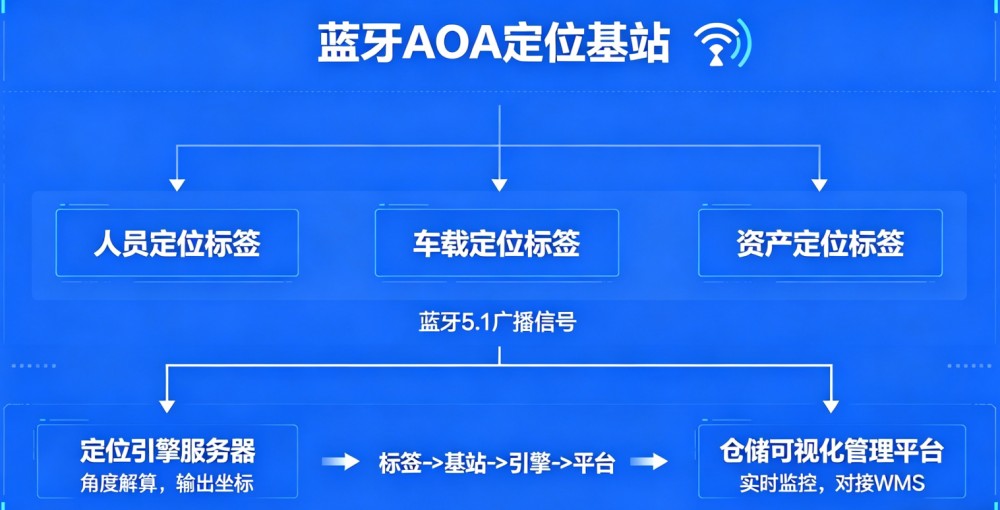
1. Bluetooth AOA positioning base station: responsible for signal coverage, angle collection and data return, PoE power supply, ceiling/wall-mounted installation.
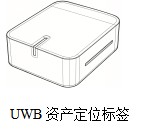
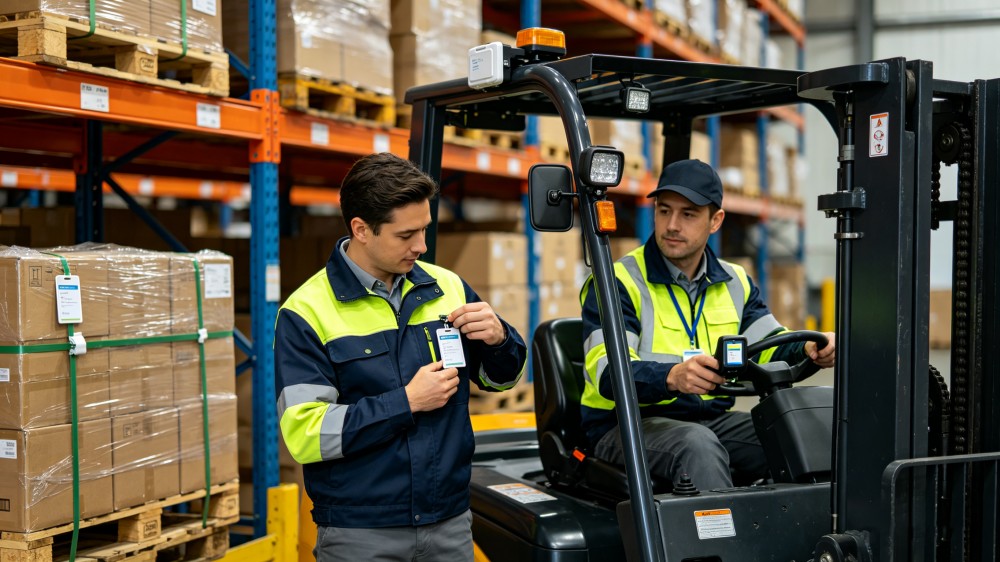
2. Asset positioning labels: affixed to pallets, turnover boxes, and high-value materials to achieve real-time positioning, tracking, and inventory of materials.
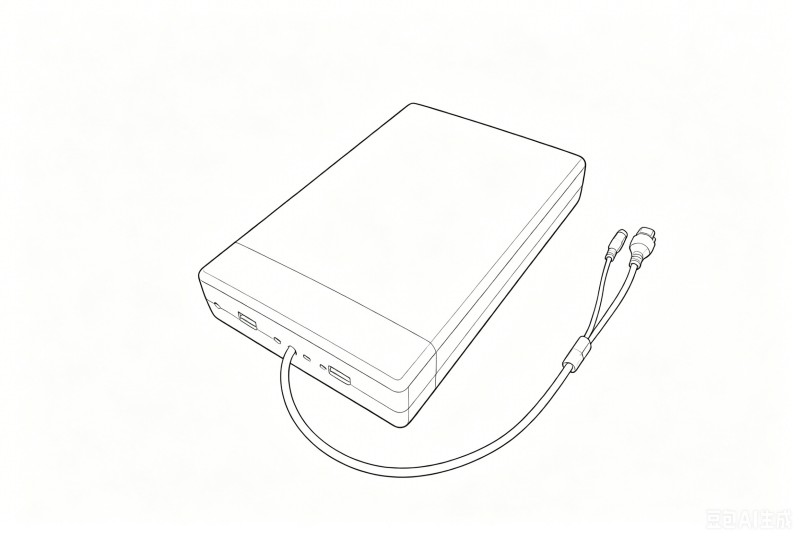
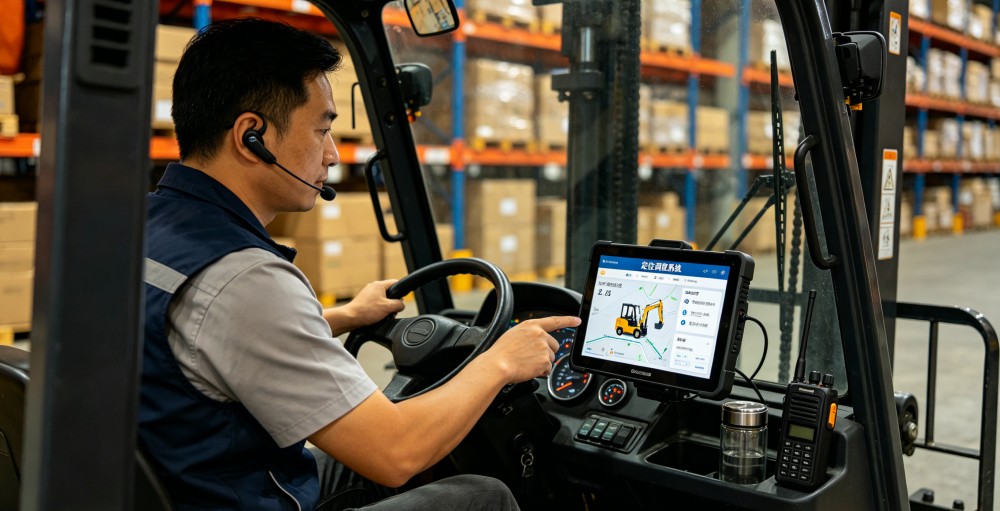
3. Personnel/vehicle positioning tags: worn by personnel and installed on forklifts to achieve positioning, trajectory, and safety control of workers and vehicles.
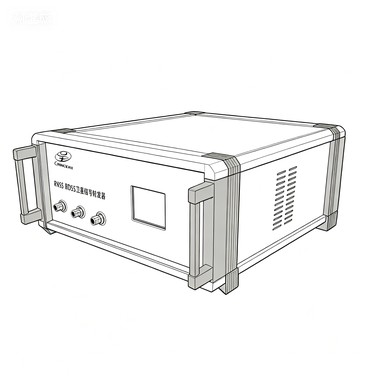
4. Positioning engine server: location data calculation, electronic fence, trajectory playback, alarm management, and data statistics.
5. Warehousing visual management platform: PC + mobile, supporting real-time monitoring, intelligent search for goods, report output, and system docking.
Implementation Process
1. On-site survey: warehouse area layout mapping, shelf distribution confirmation, operation route analysis, and base station coverage planning.
2. Deployment and debugging: base station installation, tag binding, electronic map identification, engine debugging, system joint debugging and functional testing.
3. Online operation and maintenance: operational training, function acceptance, 7×24-hour technical support, regular parameter optimization and system upgrades.
Core Advantages of the Solution
1: Low cost, fast deployment, no time synchronization required, simple construction, and can be completed in 3–5 days.
2: Sub-meter level positioning is stable, with an accuracy of 0.3–1m in an open environment. It can distinguish between lanes and warehouse locations, meeting the needs of warehousing for finding goods, moving warehouses, and taking inventory.
3: Full-process digital management, unified supervision of people, vehicles, and goods, improved inventory accuracy, and significantly improved operating efficiency.
Application Scope
Standardized e-commerce warehousing, third-party logistics centers, manufacturing raw material warehouses/finished product warehouses, cold chain warehousing, large material warehousing, and wide aisles to organize indoor logistics scenarios.