







Core Pain Points
1. After earthquakes, flash floods, typhoons and other disasters occur, ground communication networks are completely paralyzed and emergency terminals cannot work normally.
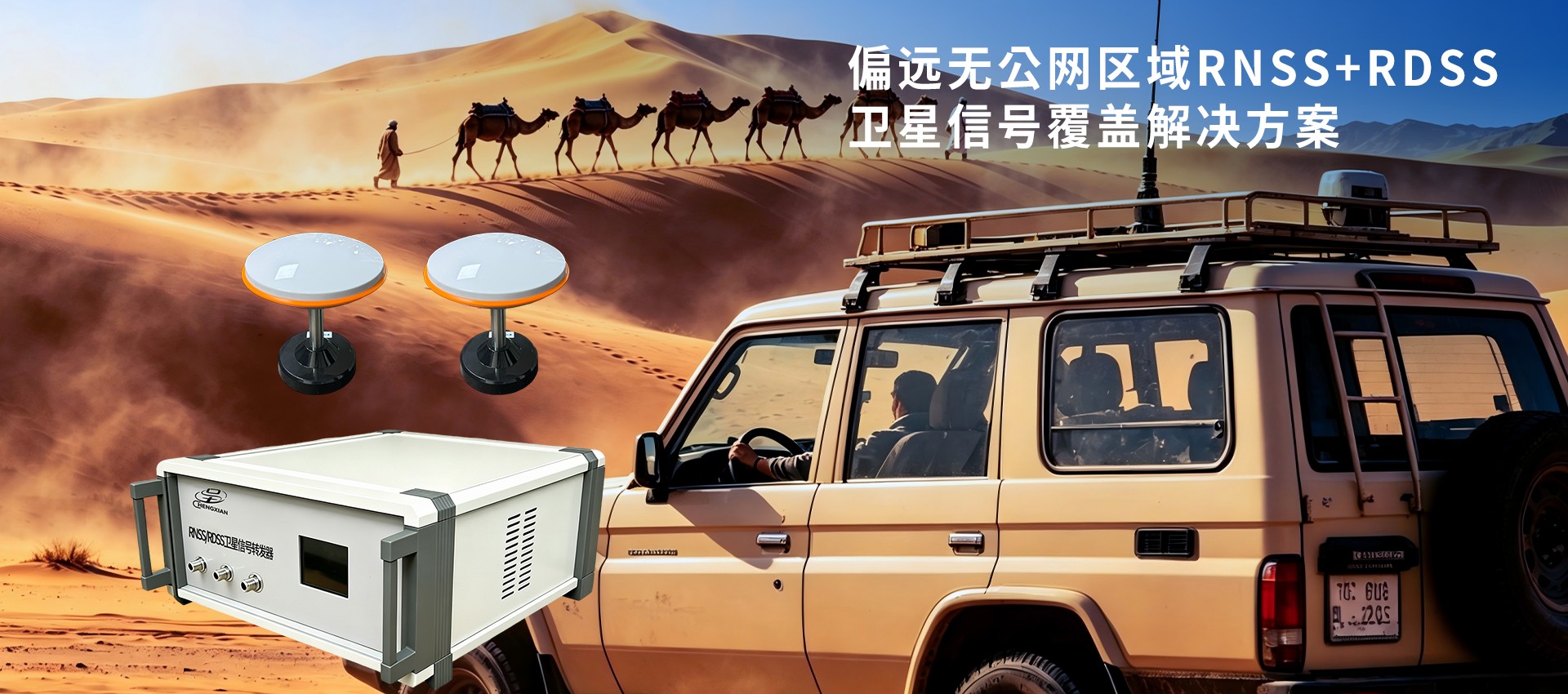
2. In remote mountainous areas, woodlands, deserts and other areas without public networks, satellite signals are easily blocked by terrain, and terminals cannot search for satellites and access the network.
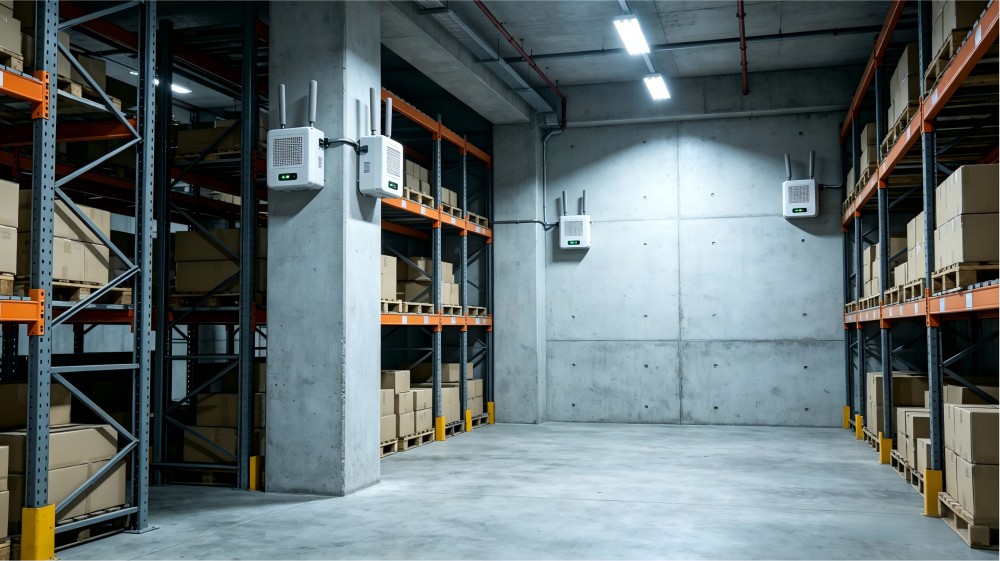
3. There are no satellite signals in enclosed spaces such as indoor command posts, temporary shelters, and disaster relief tents, making emergency dispatch difficult to carry out.
4. Existing equipment mostly relies on the public network and positioning calculations, and cannot meet the basic needs of emergency communications through signal extension alone.
Core of Customized Solutions
Technical Adaptation
1. RNSS positioning signal pure forwarding technology
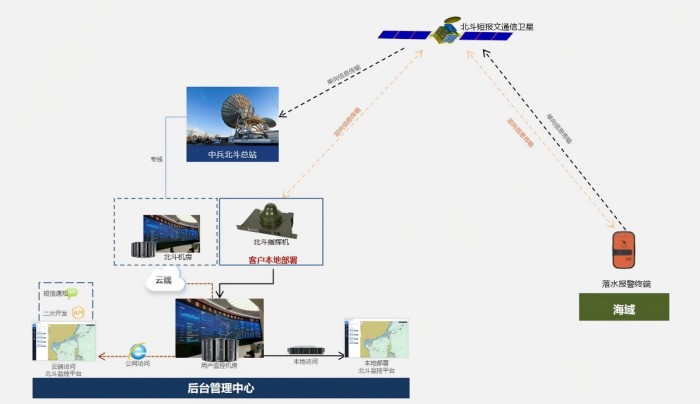
2. RDSS short message bidirectional transparent transmission technology
3. Outdoor anti-blocking and high-sensitivity receiving technology
4. Shelter and indoor shielding penetration technology
Product Portfolio
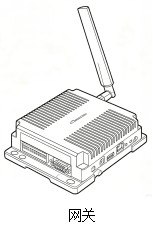
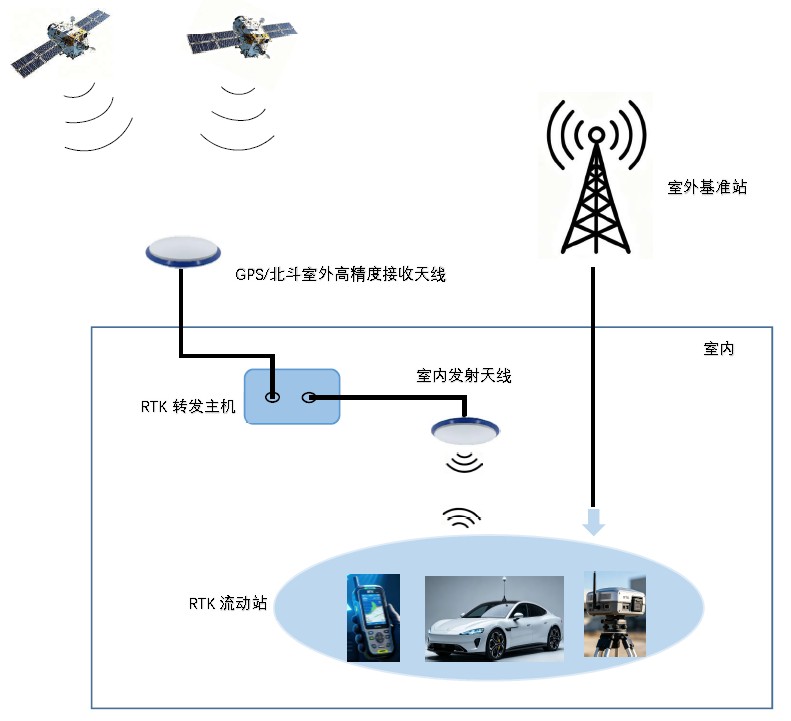
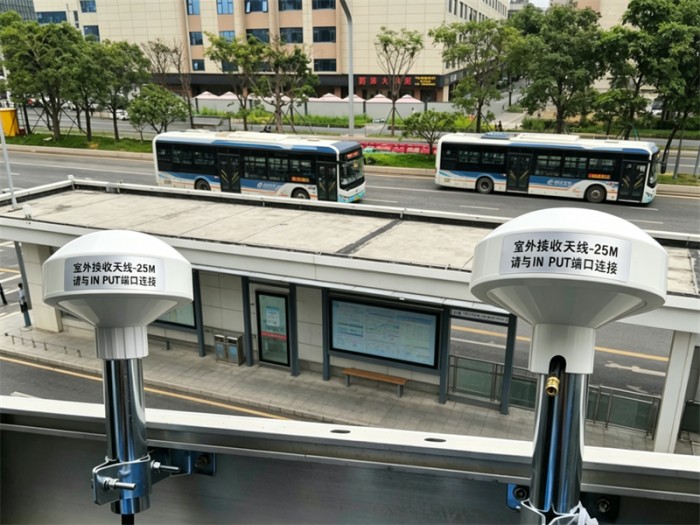
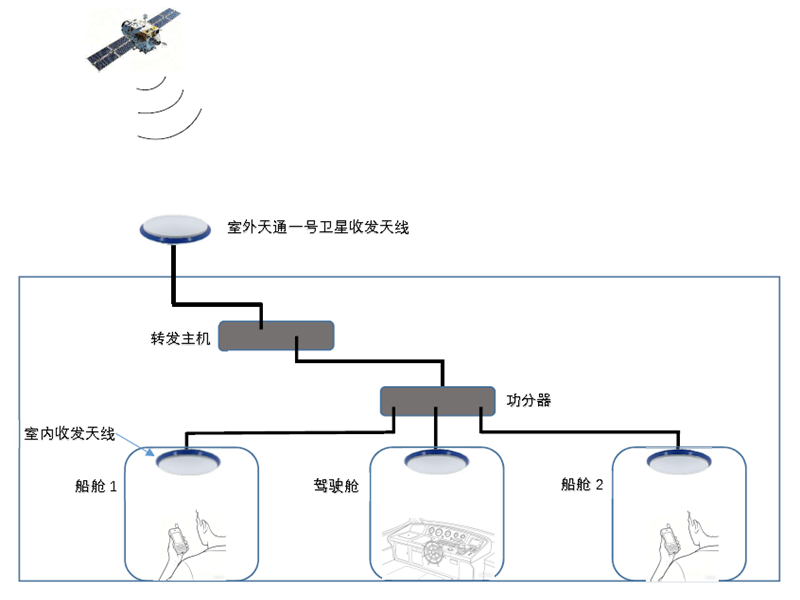
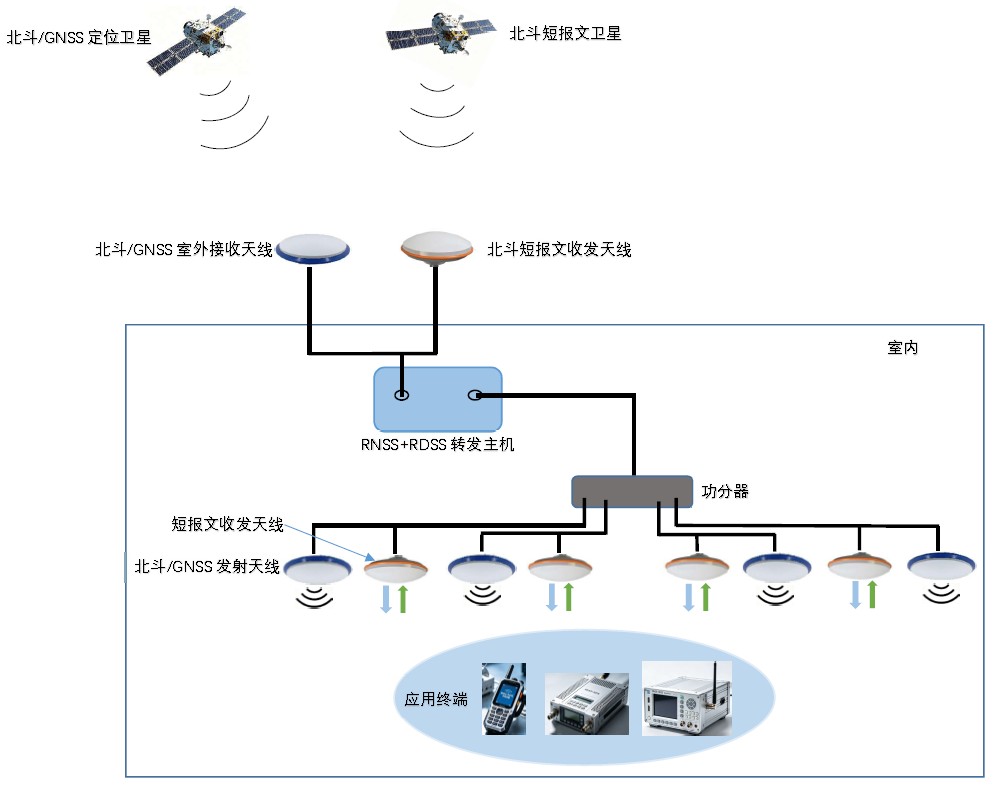
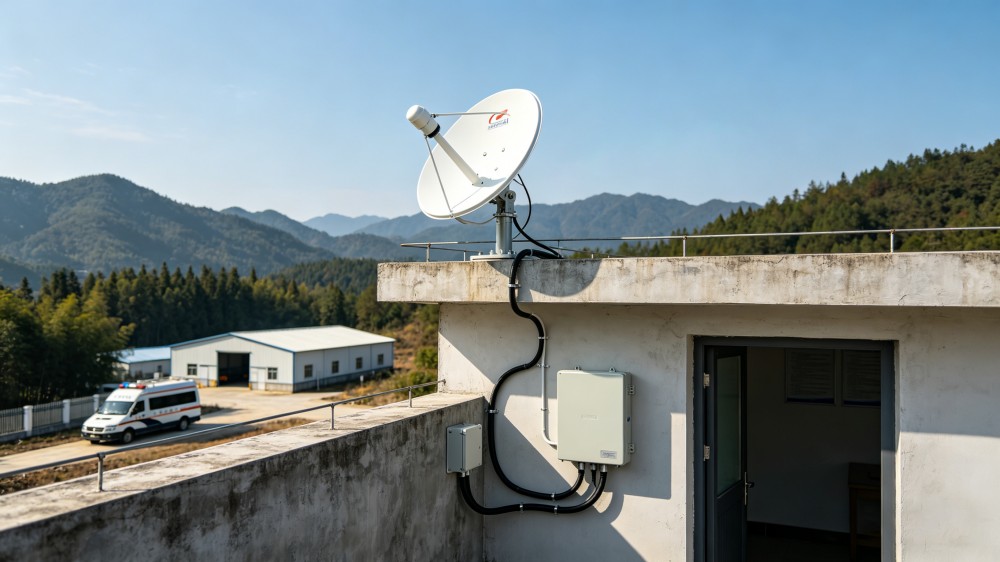
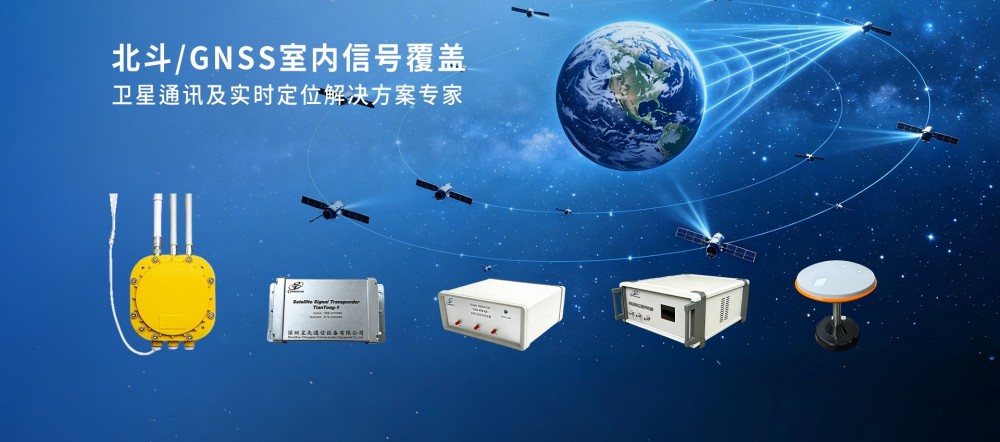
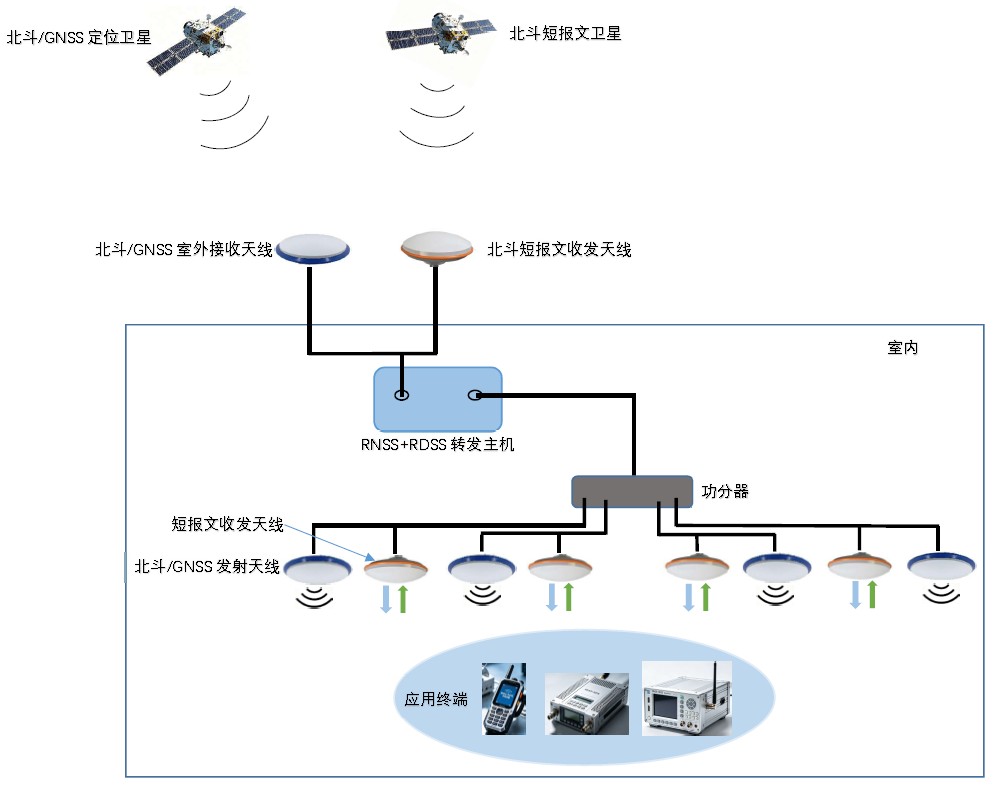
1. Outdoor omnidirectional transceiver antenna: load to receive positioning satellite signals and send and receive short messages.
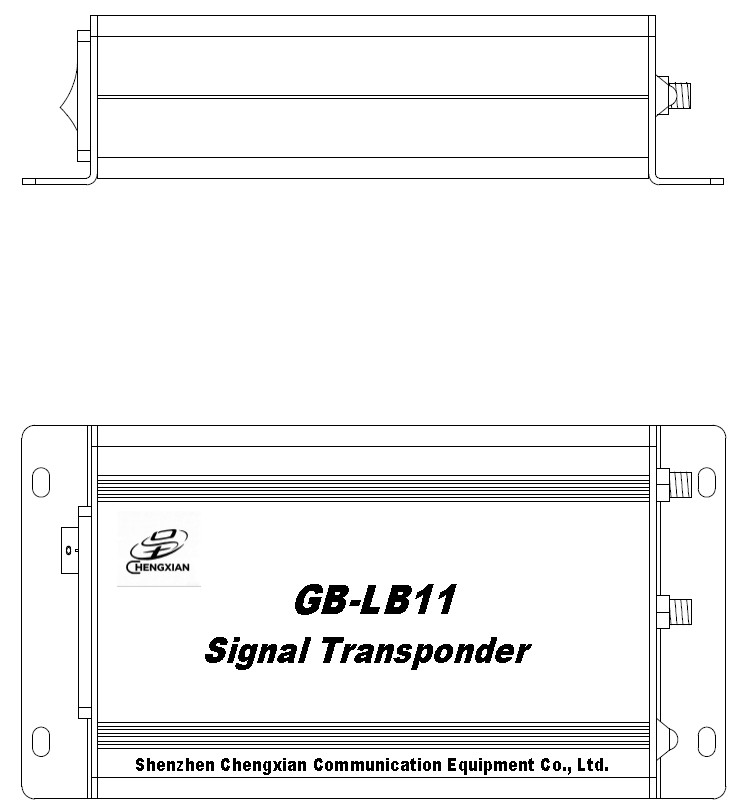
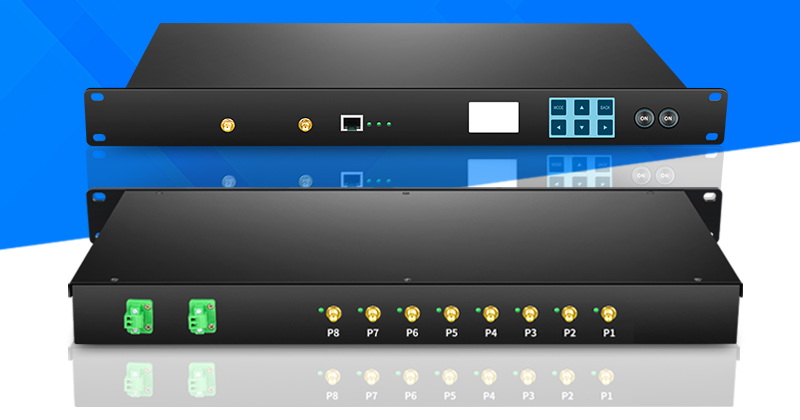
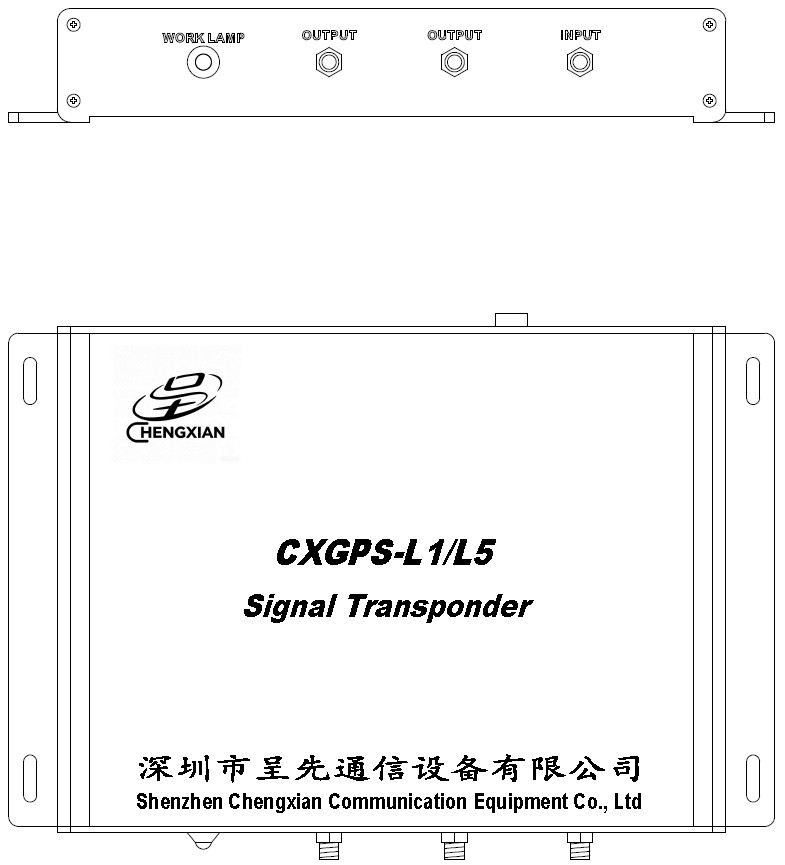
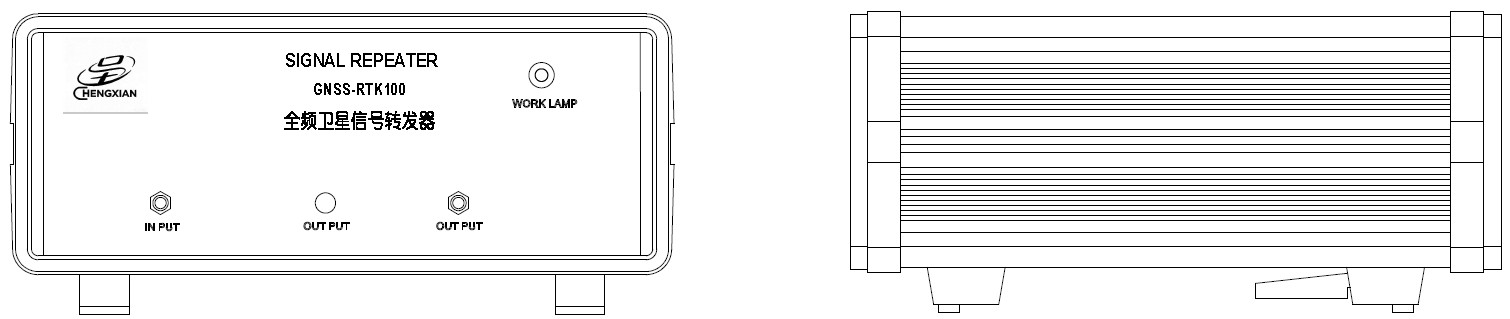
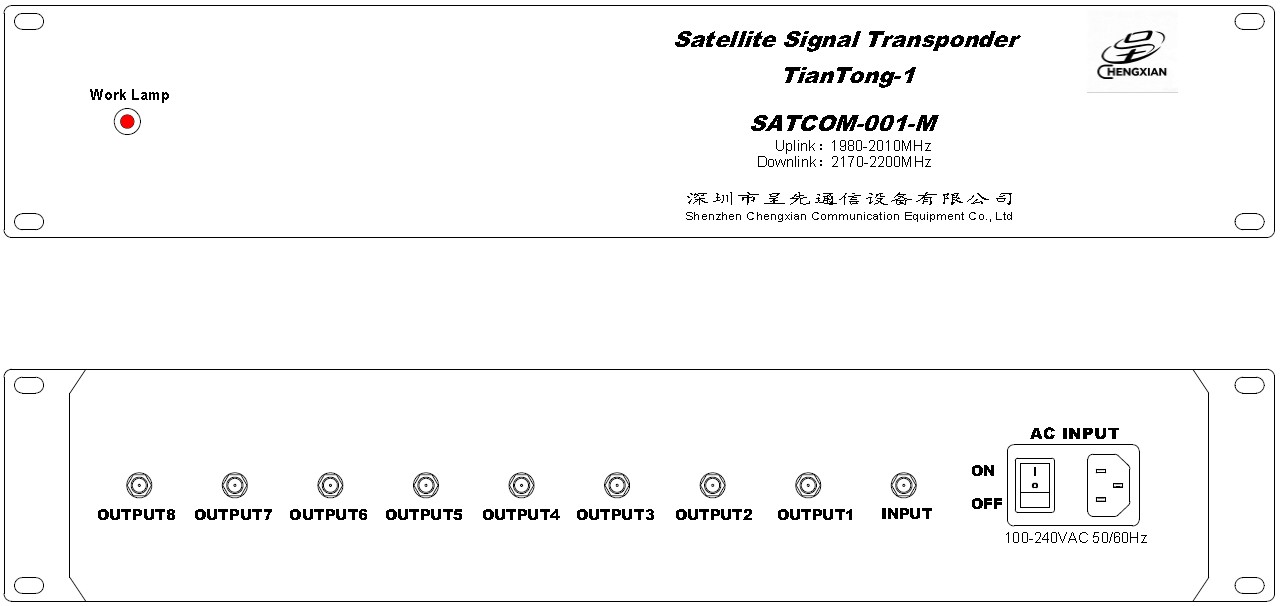
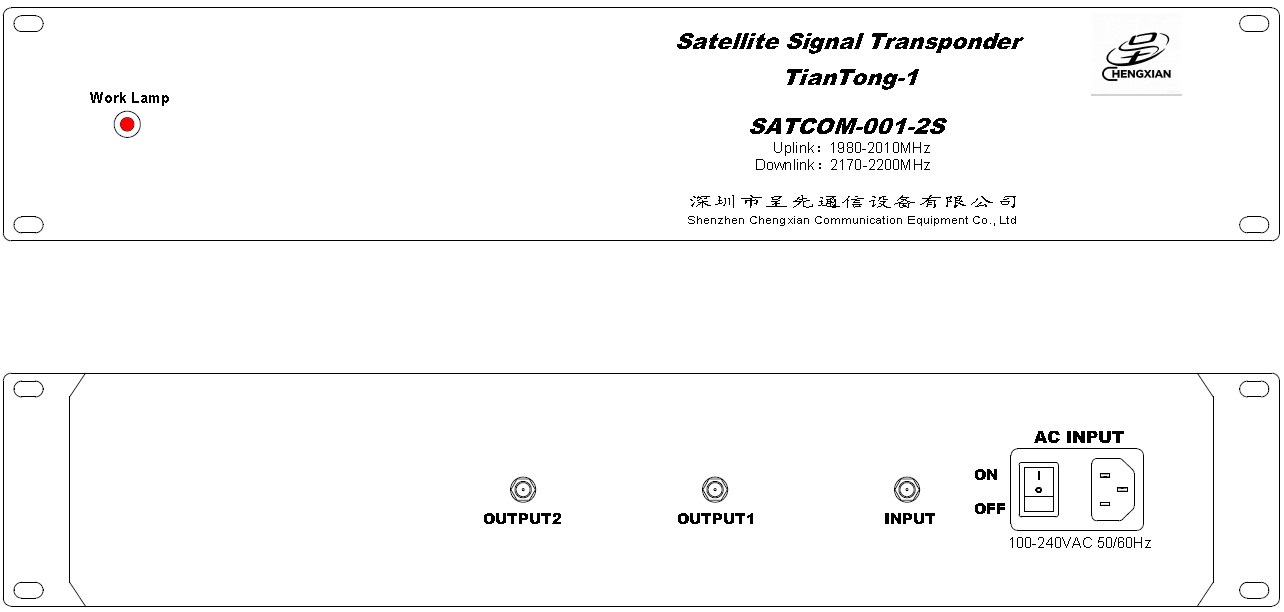
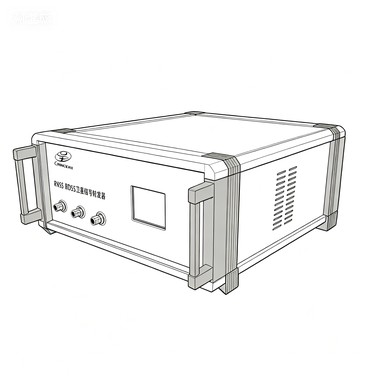
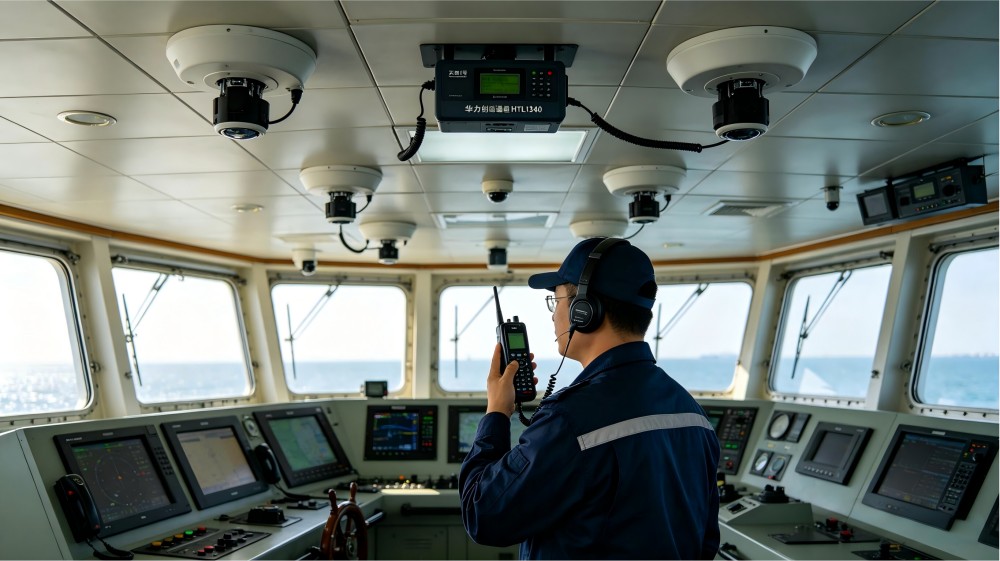
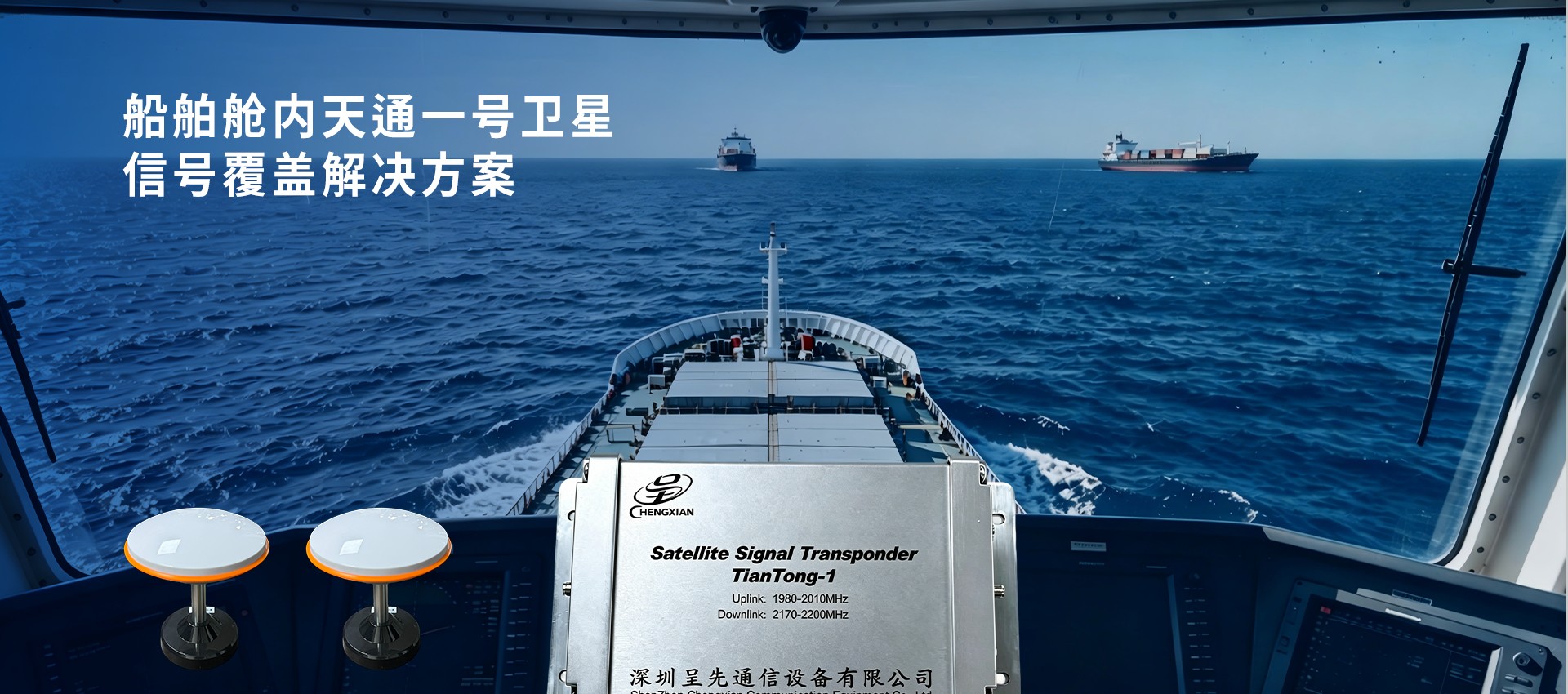
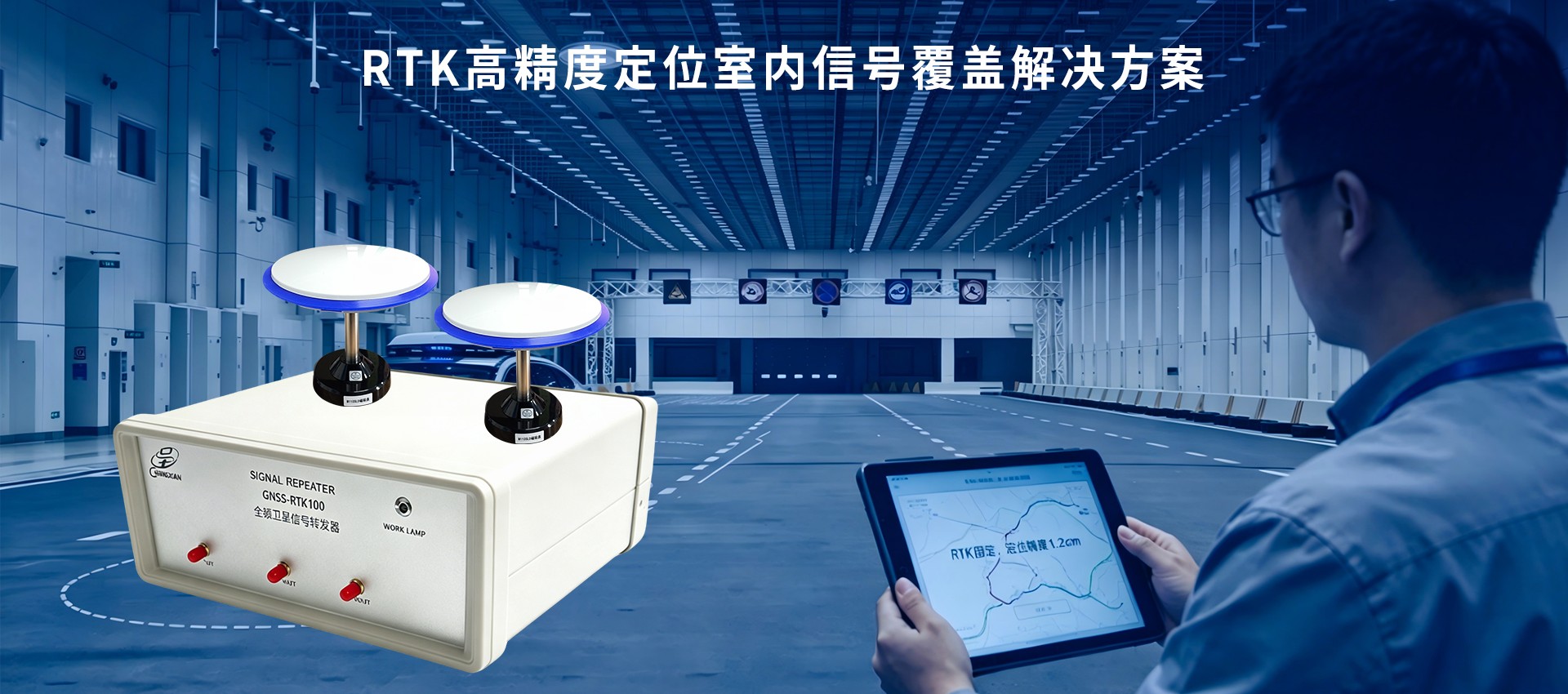
2. Beidou positioning + short message signal forwarding host: responsible for amplifying and filtering the satellite signals received by the outdoor antenna, and at the same time amplifying and filtering the signals sent by the indoor short message terminal.
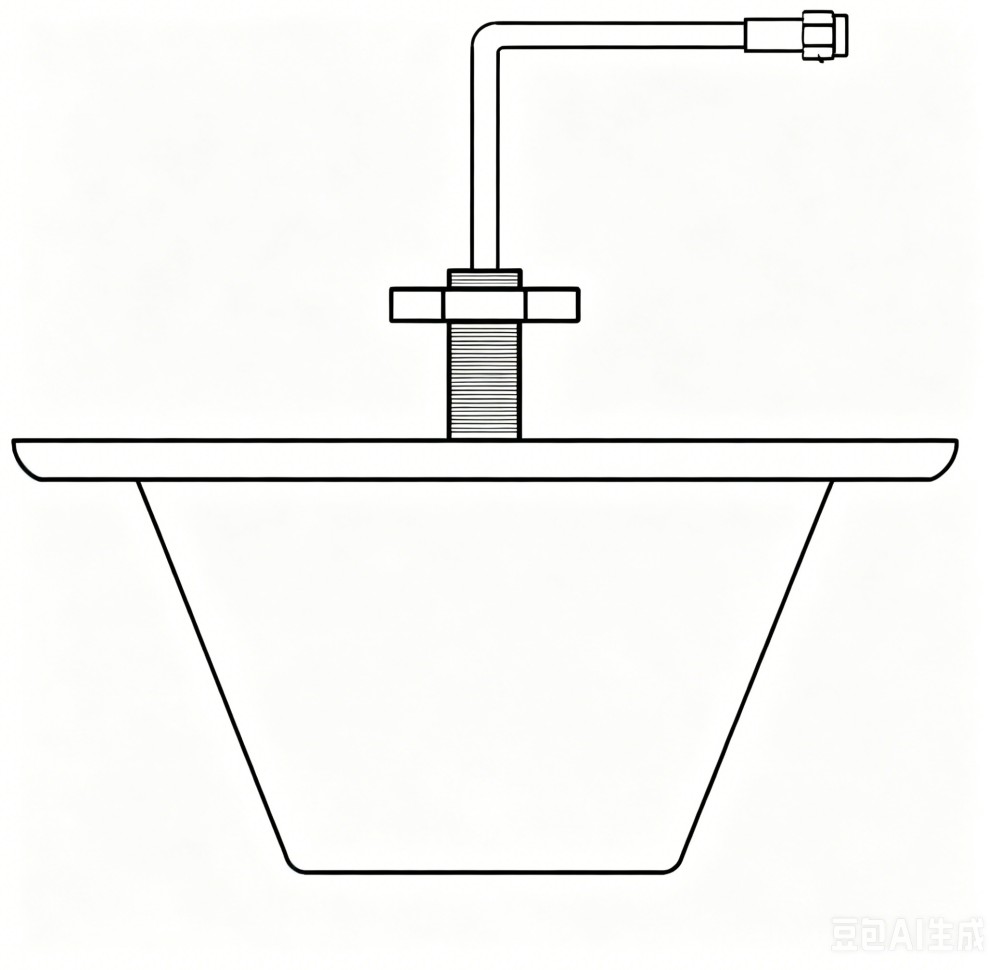
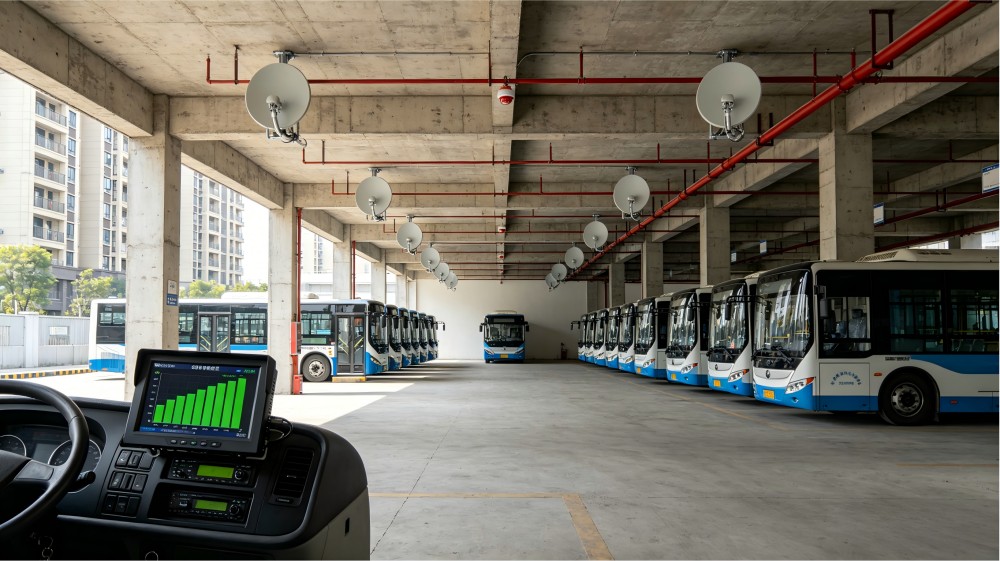
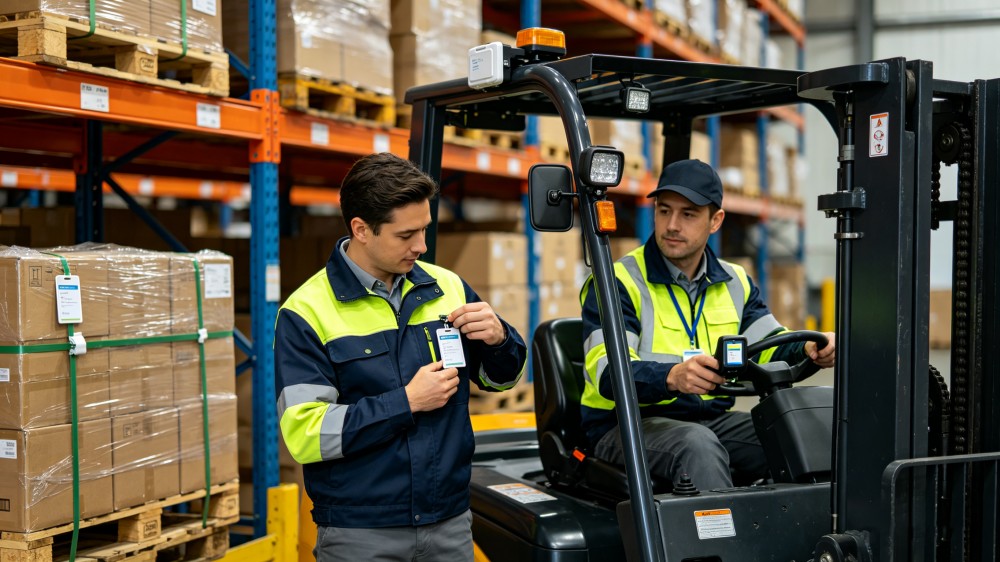
3. Indoor ceiling/wall-mounted coverage antenna: responsible for even coverage of satellite signals, while receiving signals from short message terminals to achieve communication functions.
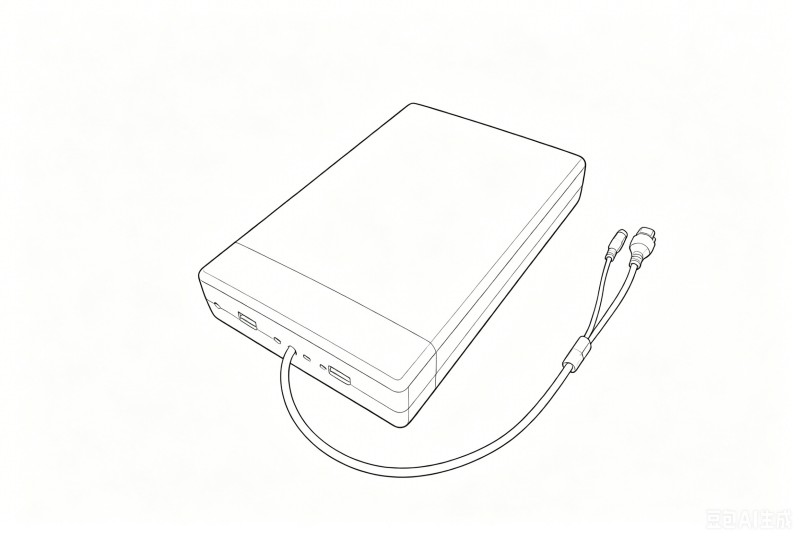
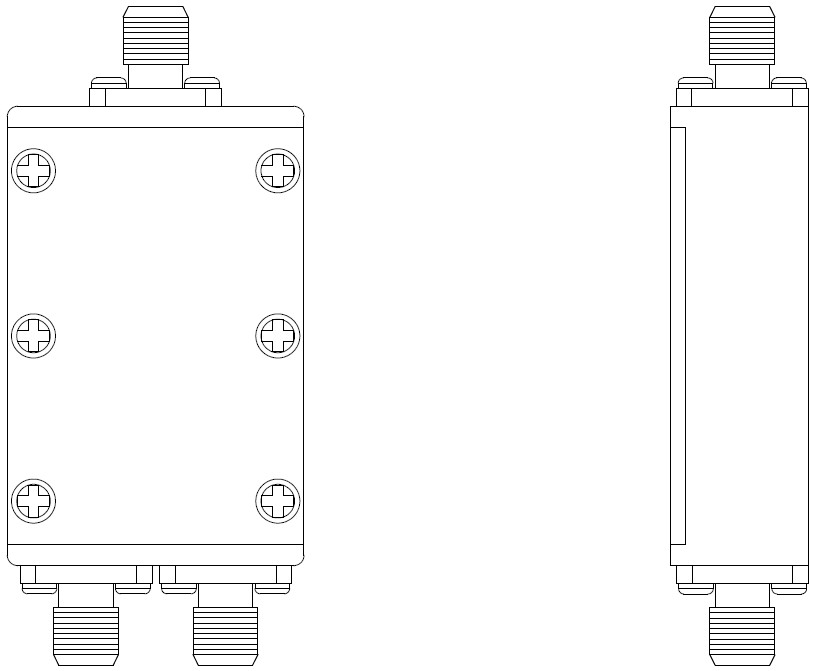
4. Integrated lightning protection power supply module: ensuring stable power supply in the field.
Implementation Process
1. On-site survey of blind area range and occlusion conditions, and issue point map.
2. Deploy outdoor antennas, forwarding hosts and indoor coverage units according to points, and complete wiring debugging.
Core Advantages of the Solution
1. Pure signal transparent forwarding, does not rely on positioning calculation or public network.
2. The emergency coverage efficiency is high. The coverage radius of a single set of equipment can reach 30 meters to 80 meters. The signal coverage rate of tents, shelters, and temporary command posts is ≥99%.
3. The RDSS short message sending and receiving success rate is ≥99.5%, and the delay is stable ≤60ms, meeting core needs such as disaster reporting, personnel calling, and command issuance.
Application Scope
Earthquake/flood/geological disaster emergency rescue, field rescue, duty in remote mountainous areas, desert exploration, temporary command in areas without public network, field camps, emergency shelters, disaster relief tents and other scenarios.