







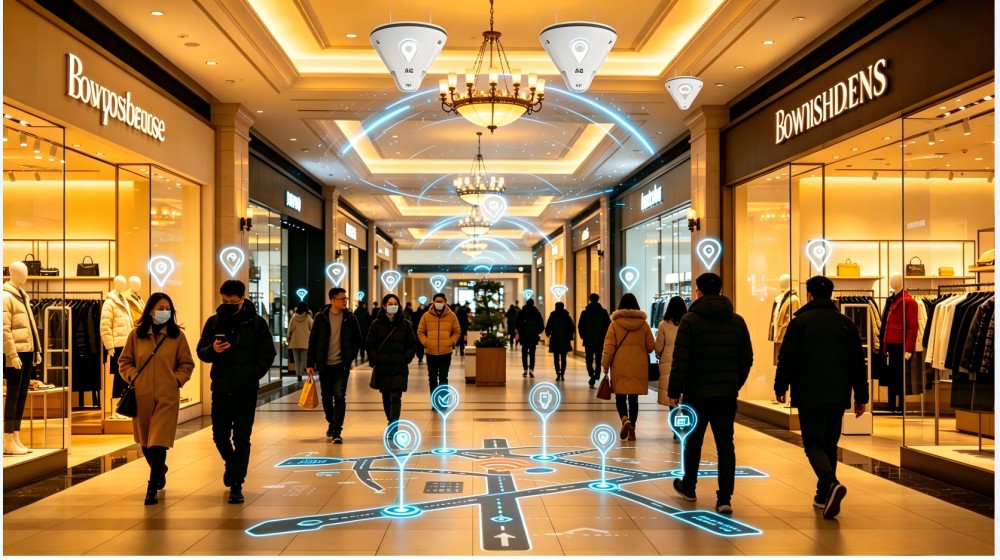






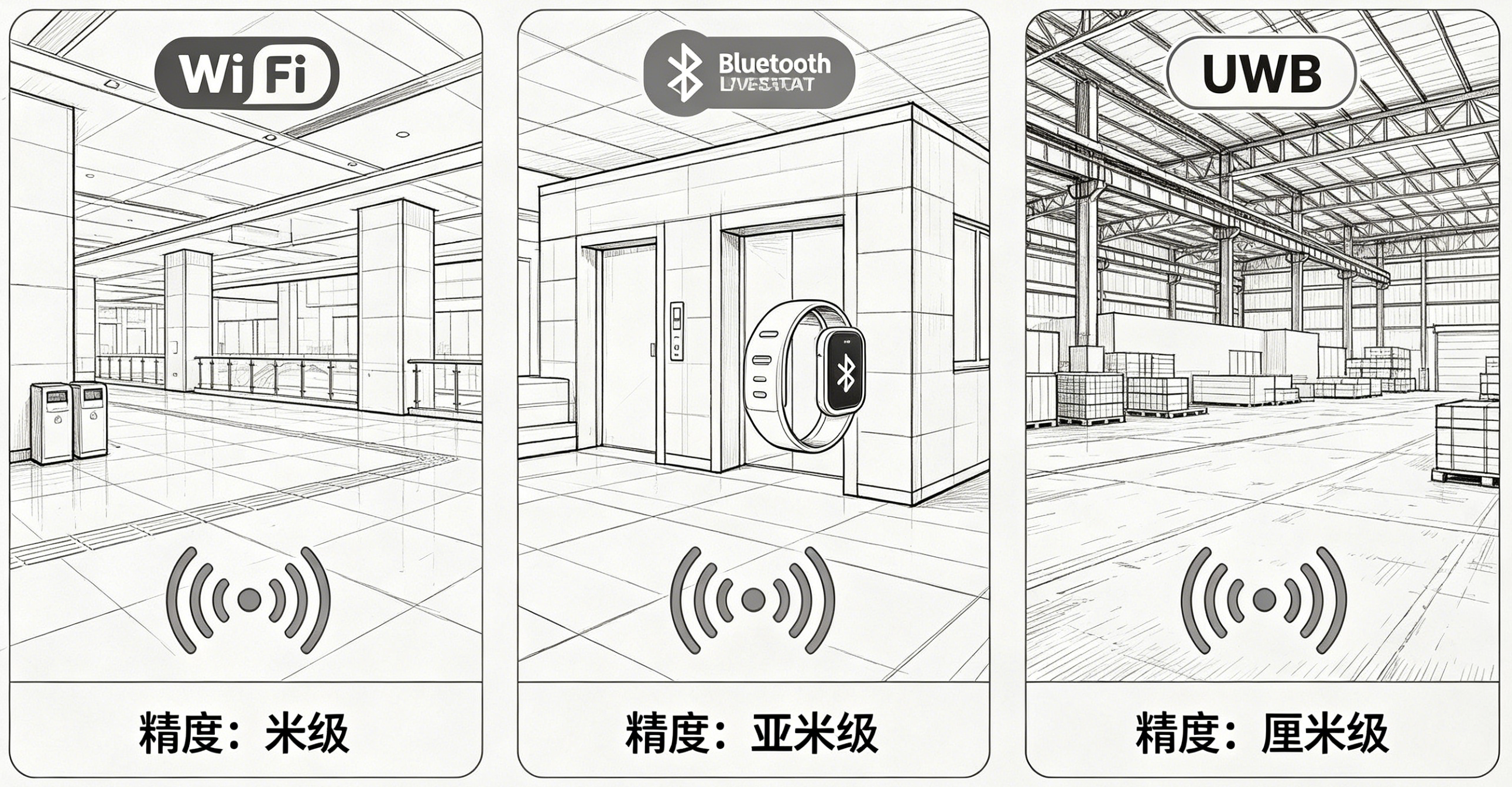

Currently, Wi-Fi, Bluetooth and UWB are the three most widely deployed technologies for high-precision indoor positioning. Adopting different signal transmission principles, they show prominent differences in positioning accuracy, cost, power consumption and applicable scenarios, with respective merits and demerits in practical implementation.
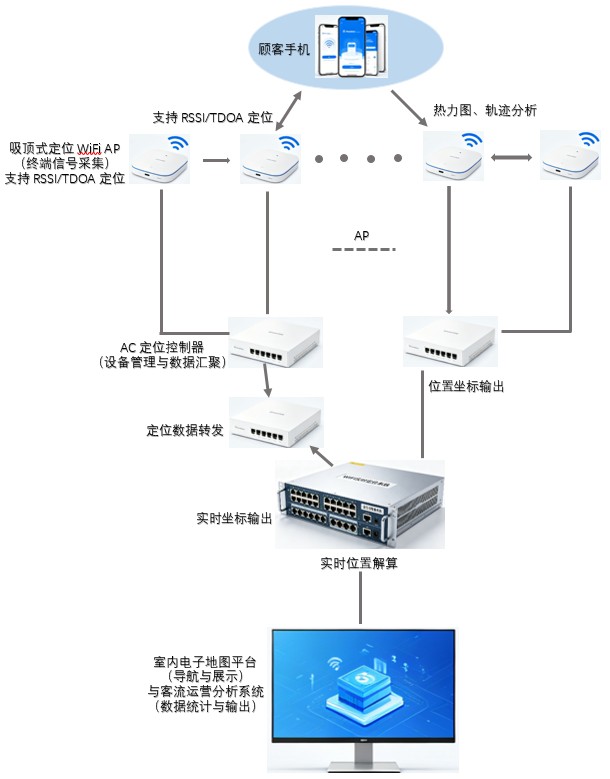
Wi-Fi positioning leverages existing wireless router networks, requiring no large-scale additional hardware deployment. It features ultra-low renovation costs and full-area coverage. However, its signals are susceptible to interference from walls, pedestrian movement and surrounding devices. With a positioning accuracy of merely 3 to 10 meters and poor stability, it is only suitable for large-scale, low-precision scenarios such as personnel area identification in shopping malls, buildings and industrial parks.
Bluetooth positioning mainly relies on Bluetooth Low Energy (BLE) beacons. The devices are compact, easy to deploy and power-efficient, delivering a positioning accuracy of 1 to 3 meters with broad adaptability. Its main drawbacks include signal congestion, increased latency and noticeable positioning drift when a large number of devices operate simultaneously. It is mostly applied to lightweight scenarios like access control verification, indoor attendance checking and personnel positioning in small areas.
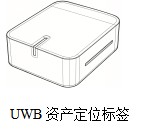
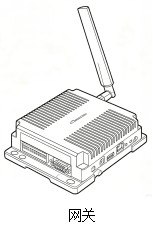
Ultra-Wideband (UWB) technology transmits data via nanosecond-level narrow pulses. It outperforms the above two technologies significantly in anti-interference capability, signal penetration and real-time performance, achieving a positioning accuracy of 10 to 30 centimeters. Nevertheless, it comes with high costs for hardware procurement and network deployment, as well as complex commissioning. It is primarily applied to high-end scenarios demanding high positioning accuracy, including industrial workshops, intelligent warehouses, high-precision asset tracking and precise navigation in exhibition halls.